Your location:
 /
valves
/
industrial valve
/
valves
/
industrial valve

Mark Classification of Fluid products
- Phone:+86(577)67198981
- Fax:+86(577)67038872
- mobile:+8613388552747
- Sales Email 1:Karrie@shanliuvalve.com
- Sales Email 2:Yannie@shanliuvalve.com
- Sales Email 3:Merry@shanliuvalve.com
- Sales Email 4:Lucas@shanliuvalve.com
- Email:sales@shanliuvalve.com

industrial valve
Industrial valves are key actuating devices in industrial fluid control systems, used for precise adjustment and control of medium on/off, flow rate, pressure, and flow direction in pipelines. They are not just simple mechanical components but core piping equipment that ensures the safety, efficiency, and energy savings of industrial processes. The main products include shut-off valves (such as ball valves, globe valves, plug valves), control valves, steam traps, safety valves, forged steel valves, cryogenic valves, liquid cooling valves, etc. Actuation methods include manual, electric, pneumatic, hydraulic, etc. The industrial valve production standards of Zhejiang Shanliu Valve Technology can be customized according to user requirements to produce API American standards, EN European standards, JIS Japanese standards, GOST Russian standards, DIN German standards, and GB Chinese national standards, adapting to design specifications for different global markets. They are widely used in all industrial fields involving fluids, such as petroleum, chemical, gas, pharmaceutical, electric power, data centers, etc.
-
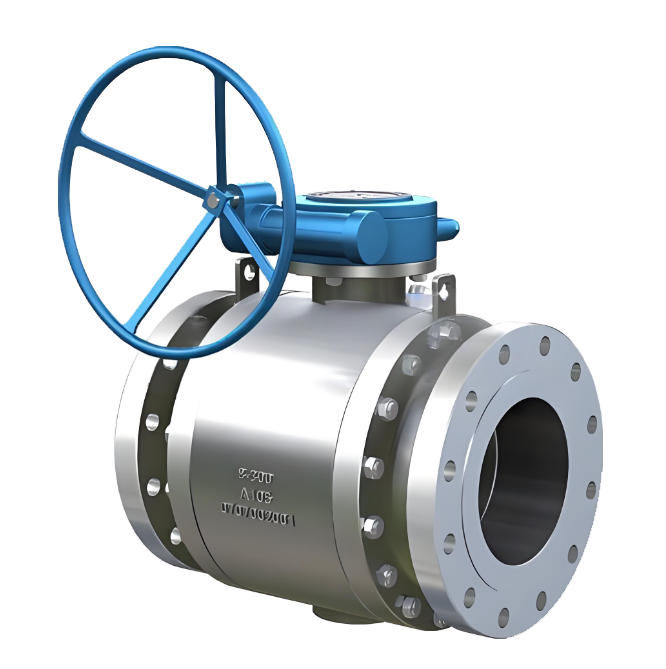
ball valve
Model:
Q11/Q21/Q41/Q44/Q46/Q47/Q61/Q71Specification:
DN15~1200mmPressure:
1.6~32MpaMaterial:
Cast steel, forged steel, stainless steel, forged stainless steel, low-temperature steel, duplex stainless steel, etc.A ball valve is a valve that opens and closes by rotating the ball 90° around the valve stem axis, belonging to the quarter-turn valve family. Its core component is a ball with a circular through-hole. When the ball hole is aligned with the flow path direction, the valve is fully open; when perpendicular, it is fully closed. Ball valves have outstanding advantages including extremely low fluid resistance (nearly zero), fast opening and closing (only 90° rotation), excellent sealing performance, and light operation. According to structural types, they can be divided into floating ball valves, trunnion ball valves, etc. According to sealing materials, there are soft-sealed (PTFE, etc.) and metal-sealed (metal hardfacing) types. The electric ball valves, pneumatic ball valves, three-segment ball valves, top-entry ball valves, cryogenic ball valves, side-entry ball valves, V-type ball valves, American standard ball valves, metal-sealed ball valves, etc. produced by Shanliu Technology are widely used in industries such as petroleum, chemical, natural gas, water supply and drainage, new energy, pharmaceuticals, data centers, etc., and are particularly suitable as pipeline control components requiring rapid shut-off, and are easy to implement electric or pneumatic automation control.View detail>>
-
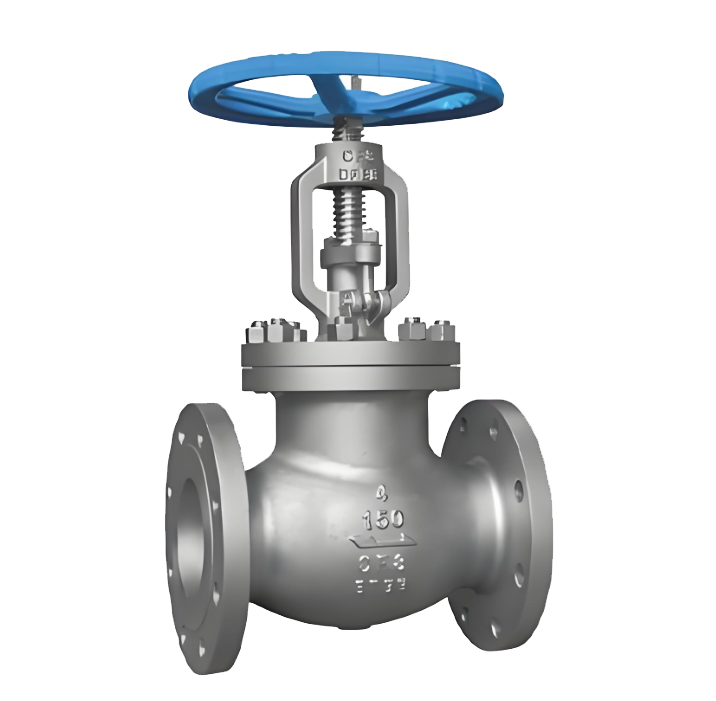
Globe valve
Model:
J11/J21/J41/J44/J45/J61/WJ41Specification:
DN15~800mmPressure:
1.6~32MpaMaterial:
Cast steel, forged steel, stainless steel, forged stainless steel, low-temperature steel, alloy steelA globe valve is a forced-sealing type valve that primarily relies on valve stem pressure to tightly contact the disc sealing surface with the seat sealing surface, preventing medium flow. Its opening and closing component is a disc-shaped valve disc, which moves linearly up and down via the valve stem to open or close the valve. The most notable characteristic of a globe valve is its "low inlet, high outlet" flow direction design, meaning the medium enters from below the disc, which gives it excellent sealing performance but also results in relatively high fluid resistance. According to structural types, globe valves can be divided into straight-through type, angle type, and oblique flow type, among which the straight-through type is the most common. Compared with gate valves and ball valves, globe valves are not only suitable for shutting off the medium but also have a certain flow regulation function. The electric globe valves, pneumatic globe valves, hydraulic globe valves, forged steel globe valves, stainless steel globe valves, American standard globe valves, Russian standard globe valves, etc. produced by Shanliu Technology are widely used in industries such as petroleum, chemical, electric power, metallurgy, etc., and are especially suitable for pipeline systems with high sealing requirements and high pressure.View detail>>
-
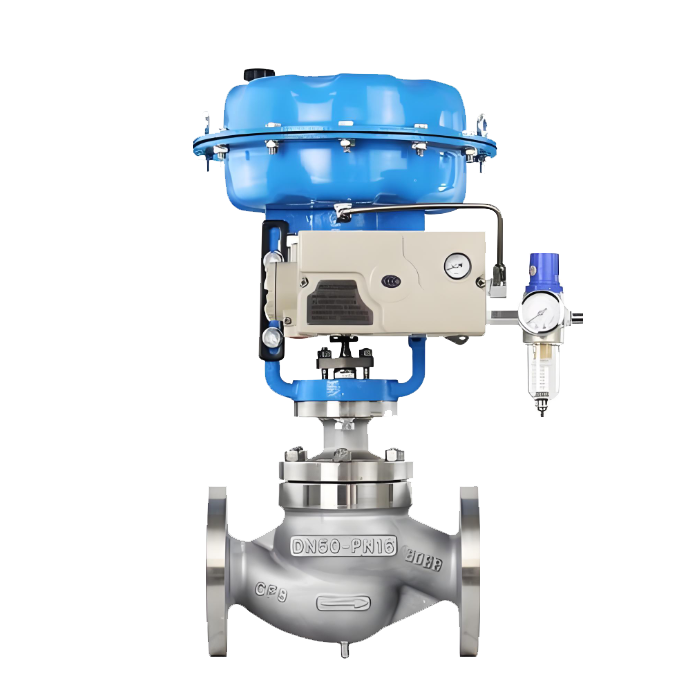
Control valve
Model:
ZAZN/ZAZM/ZAZX/ZAZQ/ZAZP/ZDLM/ZDLN/ZDLP/ZDLX/ZDLQ/ZJHP/ZJHM/ZZYP/ZZVP/ZZYVP/ZZWP/ZZWPE/ZSPC/ZSQK/J641H/J741HSpecification:
DN50~500mmPressure:
1.6~32MpaMaterial:
Cast steel, stainless steel, copper, low-temperature steelA control valve (also known as a regulating valve) is the core component of the actuating mechanism in industrial automation control systems. Its working principle is to receive standard signals such as 4-20mA or 0-10V from a controller, and by changing the throttling area between the valve plug and the valve seat, it continuously regulates the flow rate, pressure, temperature, or liquid level of the medium inside the pipeline, thereby achieving precise control of process parameters. Unlike ordinary on-off valves, the core function of a control valve lies in "regulation" rather than simple "on/off" switching. It is typically composed of an electric, pneumatic, or hydraulic actuator and a valve body assembly (such as single-seat valves, double-seat valves, sleeve valves, angle valves, etc.). Among these, pneumatic diaphragm control valves are the most widely used in industries such as petroleum, chemical, electric power, and data centers due to their simple structure and fast response speed. The flow characteristics of control valves produced by Shanliu Technology are mainly divided into three types: linear, equal percentage, and quick opening, to suit different operating conditions. In addition, to cope with harsh environments such as high temperature, high pressure, and strong corrosion, high-performance control valves also need to be equipped with precision positioners, filter regulators, and intelligent communication modules to achieve remote monitoring and fault diagnosis.View detail>>
-
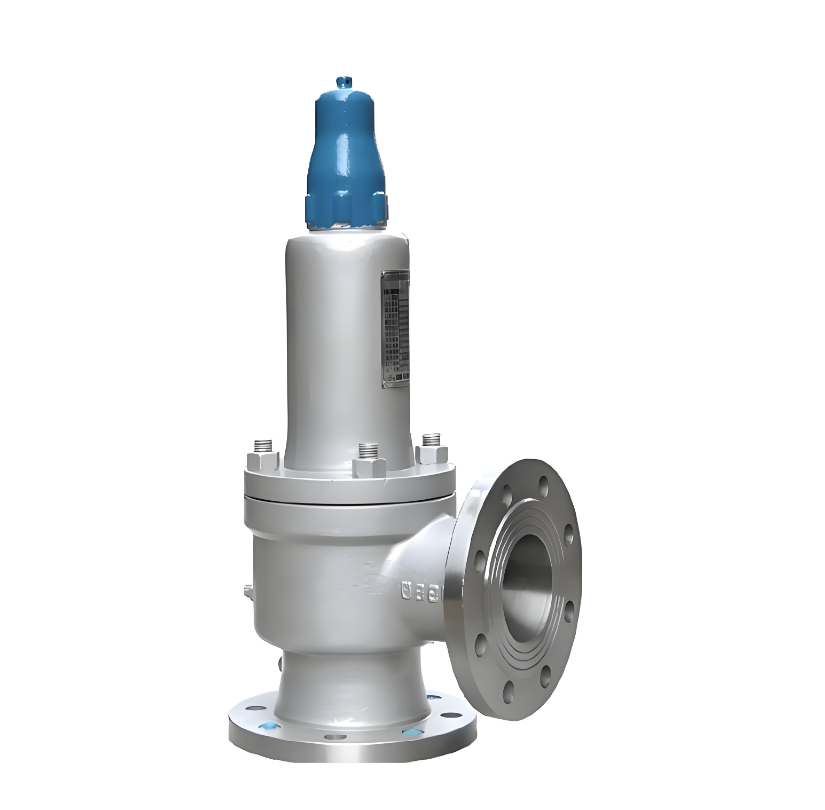
Safety valve
Model:
A21/A27/A28/A37/A38/A40/A41/A42/A43/A44/A46/A47/A48/GA42/GA51/A61/A62/ANN42/KA41/KA42/WA42/SLD500Specification:
DN50~600mmPressure:
1.6~32MpaMaterial:
Cast steel, stainless steel, copper, low-temperature steelA safety valve is an automatic valve that uses the pressure of the medium itself to discharge a specified quantity of fluid, preventing the system pressure from exceeding a predetermined safe value. When the pressure returns to normal, the valve automatically reseats and closes by means of the spring force, stopping the further flow of the medium. As a key safety accessory for pressure vessels, boilers, and pressure piping systems, the core function of a safety valve is overpressure protection. Its working principle is based on force balance: when the medium pressure inside the equipment is lower than the set pressure, the valve disc is held tightly against the valve seat by the mechanical force of the spring or lever, maintaining a sealed state. Once the pressure exceeds the set value, the medium pressure overcomes the external restraining force and quickly lifts the valve disc to discharge and relieve pressure, thereby preventing equipment explosions or deformation accidents caused by overpressure. The safety valves produced by Shanliu Technology are mainly divided into spring-loaded and pilot-operated types. Safety valves are widely used in industries such as petroleum, chemical, electric power, and heating. Safety valves must be regularly calibrated to ensure their operating sensitivity and sealing reliability.View detail>>
-
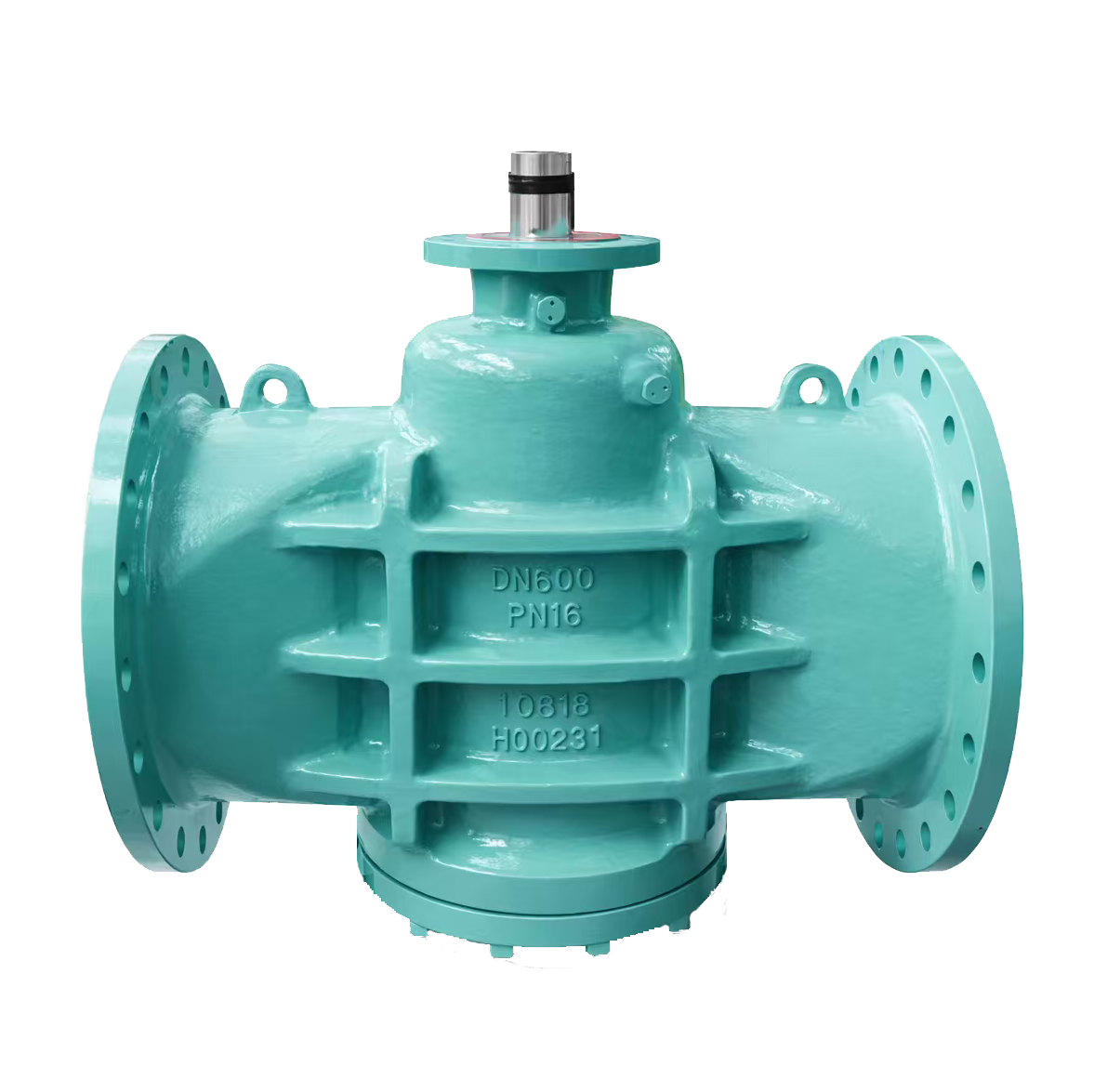
Plug valve
Model:
X13/X14/X16/X41/X43/TG43/TG4X/ZDAX43/ZDDX43/ZDAX47/X44/X47/YDAX43Specification:
DN25~600mmPressure:
1.0~32MpaMaterial:
Cast iron, cast steel, stainless steel, forged steel, forged stainless steel, duplex stainless steel, aluminum-nickel bronze, titanium, nickel, zirconium, Hastelloy, Monel, etc.Plug Valve Models: X13/X14/X16/X41/X43/TG43/TG4X/ZDAX43/ZDDX43/ZDAX47/X44/X47/YDAX43 A plug valve is a simple, quick-operating valve. Its core component is a tapered or cylindrical plug with a through-port. By rotating the plug 90 degrees, the valve can be opened or closed. When the port in the plug aligns with the flow path of the valve body, the medium flows freely; when rotated 90 degrees, the solid part of the plug blocks the flow path, achieving shut-off. The plug valves produced by Zhejiang Shanliu Valve Technology feature fast opening/closing, low fluid resistance, and a compact structure. They are suitable for pipeline systems requiring frequent operation, such as those in petroleum, natural gas, and chemical industries. According to structural types, they can be divided into lubricated plug valves, non-lubricated plug valves, pressure-balanced plug valves, etc. Among these, lubricated plug valves use injected sealant to improve sealing performance and are suitable for high-pressure conditions. Non-lubricated plug valves mostly use PTFE liners and are suitable for corrosive media. Three-way and four-way plug valves can also achieve medium switching and diversion.View detail>>
-
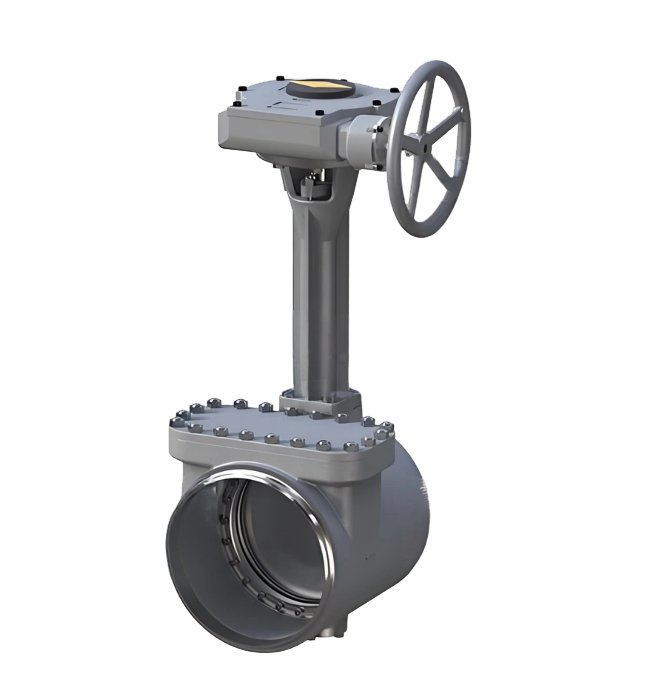
Cryogenic valve
Model:
DJ41/DJ61/DJ11/DZ40/DZ41/DZ61/DD41/DD42/DD43/DD71/DQ11/DQ41/DQ61/DH41/DH44/DA21/DA41/DA42/DA47/DA48Specification:
DN15~1200mmPressure:
1.6~32MpaMaterial:
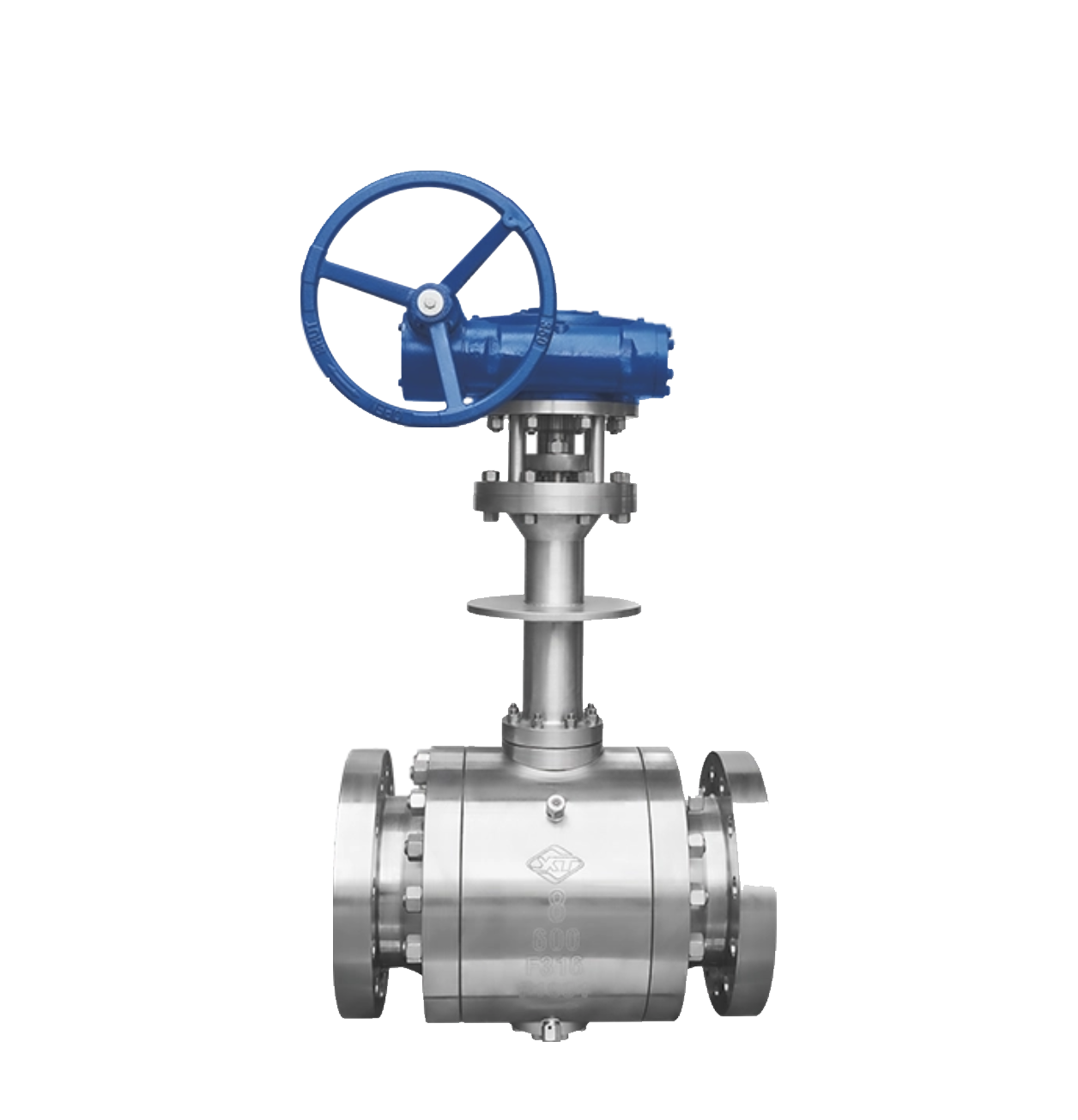
Low-temperature steel, stainless steel, copperCryogenic valves refer to valves specifically designed for conveying and shutting off media at temperatures between -40°C and -196°C (or even lower). They are widely used in cryogenic applications such as liquefied natural gas (LNG), liquid nitrogen, liquid oxygen, liquid hydrogen, and air separation units. The core design challenges lie in solving material brittleness, sealing failure, and component sticking in low-temperature environments. The valve body is typically made of austenitic stainless steel (such as 304/316L) or special cryogenic alloy steel. These materials maintain good impact toughness and mechanical strength under cryogenic conditions, preventing low-temperature brittle fracture. The bonnet is designed with an elongated neck structure, keeping the packing box away from the cryogenic zone to ensure the packing remains elastic at ambient temperature and prevents sealing failure. A drip plate is also installed to prevent condensate from damaging the valve insulation. The critical sealing parts of cryogenic valves (such as the seat and disc) require special hardening treatment and the use of sealing materials with matching expansion coefficients. The design of cryogenic valves produced by Shanliu Technology strictly complies with standards such as BS 6364 and GB/T 24925, and must pass cryogenic testing to verify flexible opening and closing and zero leakage under extreme low-temperature conditions.View detail>>
-
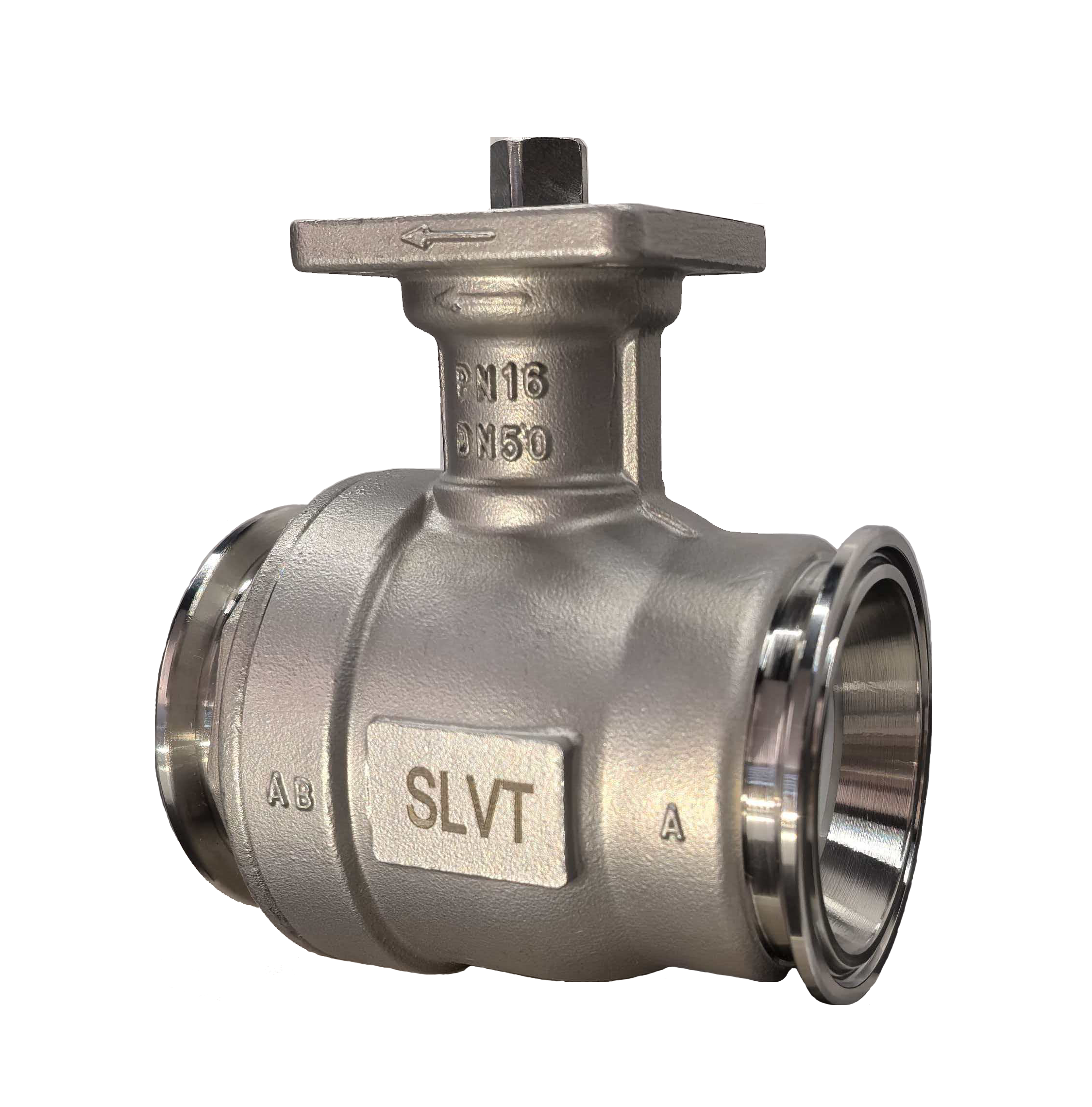
Liquid cooling valve
Model:
VQ81F/OQ81F/VQ87F/OQ87/VQ41F/OQ41F/VQ47F/OQ47F/YA21/YA41/YH11/YH41/YH44/PWQ47/YD41/YD71Specification:
DN15~300mmPressure:
1.0~6.4MpaMaterial:
Low-temperature steel, stainless steelA liquid cooling valve is a key control component in a liquid cooling system, primarily used to regulate the flow rate, direction, and pressure of the coolant (such as water, ethylene glycol solution, fluorinated fluid, etc.), ensuring stable operation of the liquid cooling system. In liquid cooling applications for data centers, the design, selection, and performance of the valve directly determine the system's cooling efficiency, operational reliability, and lifecycle cost. The core value of a liquid cooling valve is reflected in three aspects: First, system safety protection. Data centers have a zero-tolerance policy for coolant leakage, and the valve sealing performance serves as the first line of defense against liquid contacting sensitive electronic equipment. Second, precise flow control. Electric control valves, balancing valves, and other components are used to dynamically match server heat dissipation requirements and prevent localized hot spots. Third, ease of maintenance. Quick-connect valves support "hot-swappable" server maintenance, allowing equipment replacement without draining the coolant. The main types of liquid cooling valves produced by Shanliu Technology include: liquid cooling ball valves for quick isolation, electric control liquid cooling ball valves for precise regulation, high-performance liquid cooling balancing ball valves for hydraulic balancing, liquid cooling check valves for preventing backflow, liquid cooling safety valves for overpressure protection, and liquid cooling exhaust valves for automatic air venting. The valve body material is typically stainless steel, and sealing materials such as EPDM, FKM, FFKM, etc., are used to accommodate an operating temperature range of -40°C to 120°C and meet long-term operation requirements.View detail>>

Address:No. 1, Linxia Road, Sanqiao Industrial Zone, Oubei Sub-district, Yongjia County, Zhejiang Province| Switchboard:0577-67198981| mobile:+8613388552747| Email:sales@shanliuvalve.com|
COPYRIGHT © Zhejiang Shanliu Valve Technology Co., Ltd. Main Business: Water Valve Industrial valve|
浙ICP备2026020749号